
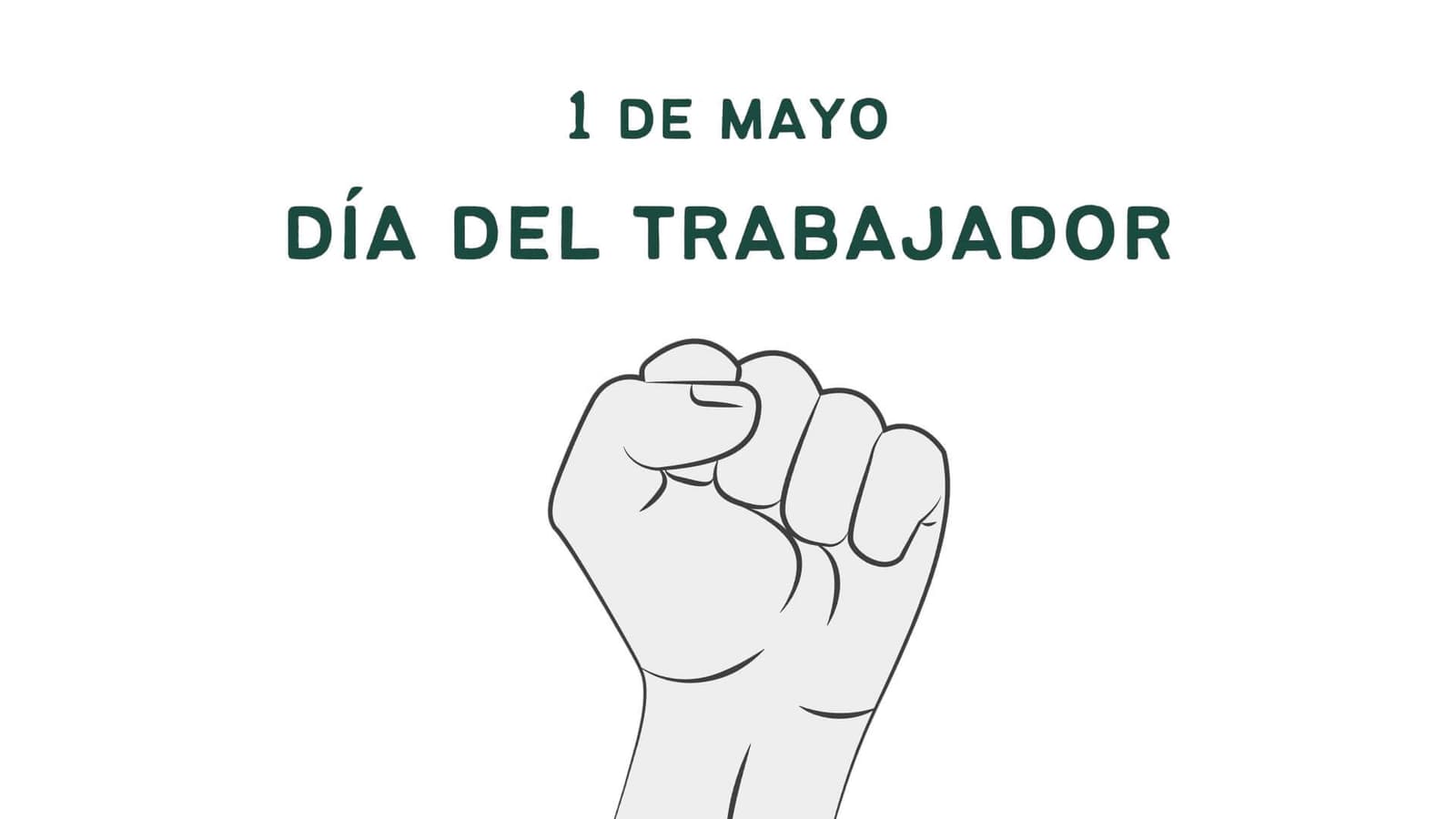
Workers' Day
At a glance
- Next date
- Time left
- 163 days
- Long weekend
- No
Date
It is celebrated on May 1st every year. It is a fixed holiday.
Historical Background
The origin of Workers' Day dates back to the events in Chicago, United States, in May 1886. On that date, thousands of workers began a strike to demand an eight-hour workday, under the slogan "eight hours of work, eight hours of leisure, and eight hours of rest." The protests, which lasted several days, culminated in the so-called "Haymarket Riots," where there were violent clashes between workers and police, resulting in deaths and the subsequent conviction and execution of several union leaders, known as the "Haymarket Martyrs."
In 1889, the Socialist Workers' Congress of the Second International, meeting in Paris, proclaimed May 1st as International Workers' Day in commemoration of the Haymarket Martyrs and as a symbol of the struggle for labor rights. Since then, this date has become a day of demands and celebration of the achievements of the labor movement worldwide.
Enactment as a Holiday
In Chile, May 1st is a legal holiday and, since Ley N° 20.215 of 2007 (which added it to Ley N° 19.973), it is also a mandatory rest day that retail workers cannot be asked to waive, with the exceptions set out in the law. Its recognition reflects the demands of the Chilean labor movement of the early 20th century, which made this date a day of commemoration and protest. The holiday aims to commemorate the historic struggle of workers for fair and dignified working conditions.
Description of the Day
Workers' Day is a day dedicated to recognizing the importance of work and labor rights. It is a day of commemoration of past struggles and vindication of current workers' demands. In Chile, it is common for marches, rallies, and union events organized by the Central Unitaria de Trabajadores (CUT) and other trade organizations to take place, where labor, economic, and social concerns are expressed, and the fulfillment of rights and improvements in workers' living conditions are demanded. For most of the population, it is a day of rest and family time.
Important Facts and Curiosities
• Non-Waivable Holiday: May 1st is one of the non-waivable holidays in Chile. This means that retail cannot open and workers have the right to rest, except for certain exceptions established by law (such as workers in clubs, restaurants, entertainment establishments, etc.).
• Current Significance: While it commemorates a historic struggle, May 1st remains a relevant day to highlight labor challenges such as precarious employment, wage inequality, workplace safety, and the right to unionize.
• Name Change: In recent years, the name "Workers' Day" (Día del Trabajador y la Trabajadora) has become popular to include a gender perspective and recognize all people who contribute with their labor.
• Day of Rest: For many Chilean families, it is an opportunity to enjoy a well-deserved rest, engage in outdoor activities, or simply spend time at home.
Workers' Day dates
| Year | Date |
|---|---|
| 2019 | |
| 2020 | |
| 2021 | |
| 2022 | |
| 2023 | |
| 2024 | |
| 2025 | |
| 2026 | |
| 2027 | Upcoming |
| 2028 | |
| 2029 | (preliminary) |
| 2030 | (preliminary) |
| 2031 | (preliminary) |
| 2032 | (preliminary) |
Legal sources
Laws that establish this holiday, on LeyChile (Library of the National Congress of Chile):
Last checked: November 15, 2026.


