
Good Friday
At a glance
- Next date
- Time left
- 127 days
Date
Good Friday is a movable holiday, as its date varies each year. It is celebrated on the Friday before Easter Sunday, and its calculation depends on the lunar calendar, following the Christian tradition that Easter is celebrated on the first Sunday after the first full moon occurring on or after the vernal equinox. Generally, it falls between March 20th and April 23rd.
Historical Background
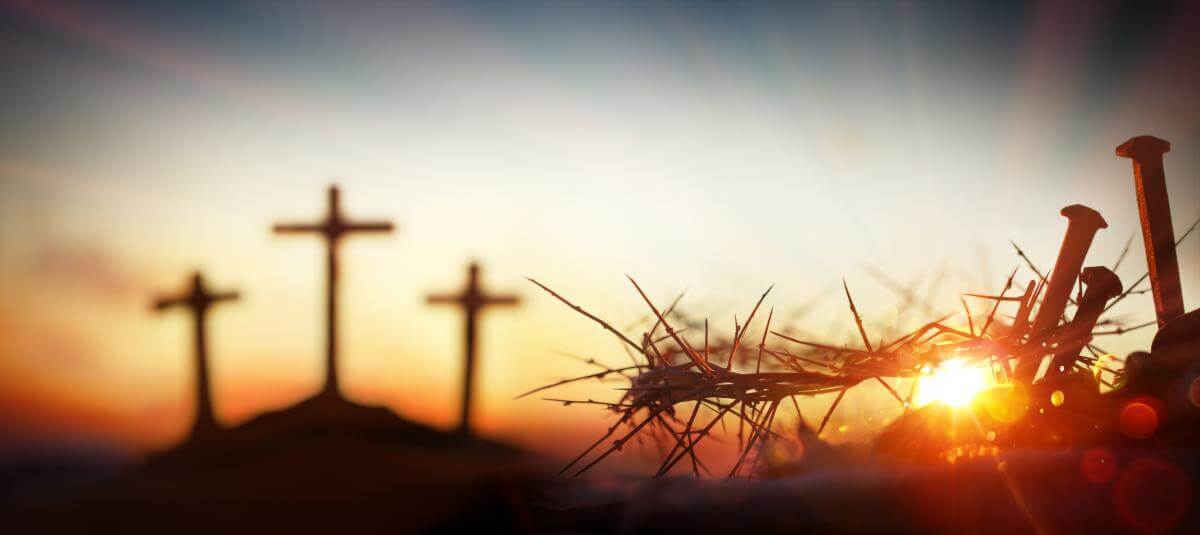
Good Friday commemorates the crucifixion and death of Jesus Christ at Calvary, according to Christian tradition. It is a day of mourning, reflection, and penance for Christians around the world. Its origin dates back to the first centuries of Christianity, as a central part of Holy Week, the most sacred period in the Christian liturgical calendar. Throughout history, various communities have developed specific practices and rites for this day.
Enactment as a Holiday
In Chile, Good Friday is recognized as a national holiday due to the country's deep Catholic tradition. Its holiday status is established by Ley N° 2.977 of 1915, which set several religious and civil holidays. This law, and subsequent ones that have modified or supplemented it, have maintained Good Friday as an official holiday, reflecting its cultural and religious importance for a large portion of the Chilean population.
Description of the Day
Good Friday is a day of deep reflection and mourning for Christians. The Eucharist is not celebrated; instead, special liturgies focused on the Passion of Christ are held, such as the Liturgy of the Passion of the Lord, the Adoration of the Cross, and the Communion of the faithful. In many places in Chile, solemn processions recreating the Via Crucis (the path of Jesus to the crucifixion) and Passion plays are held. For believers, it is a day to meditate on the sacrifice of Jesus and the concepts of redemption and forgiveness.
Important Facts and Curiosities
• Fasting and Abstinence: Traditionally, many Catholics observe fasting and abstinence from meat during Good Friday as a form of penance.
• Reduced Commerce: It is not a non-waivable holiday: shops may open, although many close or shorten their hours so people can take part in religious activities or rest.
• Gastronomy: It is common for Chilean families to prepare meatless dishes for Good Friday lunch, with fish and legumes being popular options, in line with the tradition of abstinence.
• Via Crucis on Hills: In several Chilean cities, especially in Santiago with the Via Crucis on Cerro San Cristóbal, thousands of people participate in processions that climb hills or walk through streets, meditating on the stations of the suffering of Jesus.
• Connection with Holy Saturday and Easter Sunday: Good Friday is part of the Easter Triduum, which culminates with Holy Saturday (a day of silence and waiting for the Resurrection) and Easter Sunday (the celebration of the victory of Jesus over death).
Good Friday dates
| Year | Date |
|---|---|
| 2019 | |
| 2020 | |
| 2021 | |
| 2022 | |
| 2023 | |
| 2024 | |
| 2025 | |
| 2026 | |
| 2027 | Upcoming |
| 2028 | |
| 2029 | (preliminary) |
| 2030 | (preliminary) |
| 2031 | (preliminary) |
| 2032 | (preliminary) |
Legal sources
Laws that establish this holiday, on LeyChile (Library of the National Congress of Chile):
Last checked: November 15, 2026.


