
National Day of Indigenous Peoples
At a glance
- Next date
- Time left
- 210 days
Date
It is celebrated on the day of the winter solstice each year in the southern hemisphere. This date is movable and usually falls around June 21st, although it can vary between June 19th and 22nd, depending on the year. It is a fixed holiday once set for that year.
Historical Background
The celebration of a "New Year" around the winter solstice is an ancestral tradition of deep spiritual and cultural significance for various indigenous peoples of the southern hemisphere, including those living in Chile. For the Mapuche people, this celebration is known as We Tripantu (or Wetripantu/Wüñol Txipantü), meaning "new sunrise" or "return of the sun." For the Aymara, it is Machaq Mara ("Aymara New Year"), and for the Quechua, the Inti Raymi ("Festival of the Sun").
These ceremonies mark the end of an agricultural and natural cycle, the return of the sun after its farthest point, and the beginning of a new cycle of sowing and life. They symbolize renewal, purification, and the connection with Mother Earth (Pachamama).
The official recognition of the National Day of Indigenous Peoples in Chile seeks to value and make visible the cultural richness, worldview, and history of the indigenous peoples present in the country, promoting respect and interculturality.
Enactment as a Holiday
Initially, Supreme Decree N° 158 of 1998 from the Ministry of Planning and Cooperation (MIDEPLAN) had declared June 24th of each year as the National Day of Indigenous Peoples, but not as a holiday.
Subsequently, with Ley N° 21.357, enacted on June 17, 2021, and published on June 19, 2021, the legal holiday was definitively established. This law declares the day of the winter solstice each year in the southern hemisphere as a national holiday for the National Day of Indigenous Peoples. This recognition was the result of years of demands from indigenous communities and a legislative consensus to grant this date the status of a national holiday, as an act of historical reparation and cultural appreciation.
Description of the Day
The National Day of Indigenous Peoples is a day dedicated to the celebration, recognition, and dissemination of the cultural diversity of Chile's indigenous peoples. It is a time to reflect on their history, their struggles, their contributions to national identity, and the importance of preserving their languages, traditions, and worldviews.
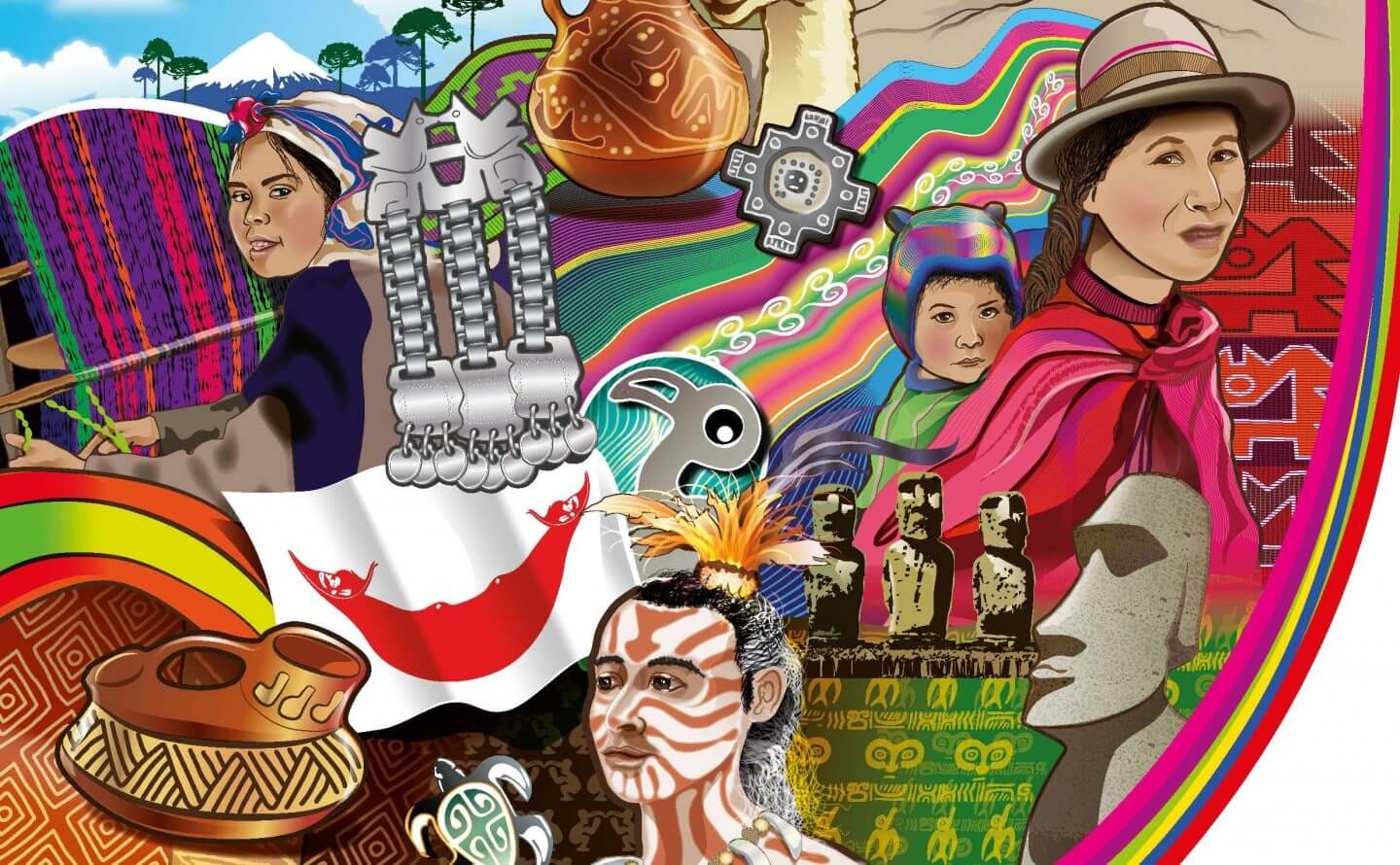
Throughout the country, and especially in indigenous communities, various activities are held: ancestral ceremonies (such as the We Tripantu or Machaq Mara), cultural gatherings, artisan fairs, talks, exhibitions, and artistic expressions. It is a day to make visible the richness of the Mapuche, Aymara, Rapa Nui, Atacameño, Colla, Quechua, Diaguita, Kawésqar, Yagán and, more recently, Chango and Selk'nam peoples, and to promote an intercultural dialogue that strengthens Chile's social fabric.
Important Facts and Curiosities
• Significance of the Solstice: The choice of the winter solstice as the date for the holiday is due to its deep ancestral meaning of renewal and new beginning for various indigenous cultures.
• Working Holiday: It is a legal holiday for the entire country. As a recently established holiday (2021), it is important for users to verify the specific labor regulations for each year, although it generally follows the rules of common holidays (not non-waivable, unless otherwise established).
• Context of Recognition: The enactment of this holiday is part of a context of greater demand for recognition and rights for indigenous peoples in Chile, including debates about a new Indigenous Law, reserved seats, and the importance of a plurinational Constitution.
• Diversity of Peoples: Chile recognizes ten main indigenous peoples, each with their own traditions, languages, and histories, which are celebrated on this day.
• We Tripantu: The We Tripantu celebration is one of the most well-known and is carried out with rites and ceremonies that include prayers, songs, dances, and family and community gatherings around the fire.
National Day of Indigenous Peoples dates
| Year | Date |
|---|---|
| 2021 | |
| 2022 | |
| 2023 | |
| 2024 | |
| 2025 | |
| 2026 | |
| 2027 | Upcoming |
| 2028 | |
| 2029 | (preliminary) |
| 2030 | (preliminary) |
| 2031 | (preliminary) |
| 2032 | (preliminary) |
Legal sources
Laws that establish this holiday, on LeyChile (Library of the National Congress of Chile):
Last checked: November 15, 2026.


